
A Simple Guide to Aging in Place Home Care What Families Need to Know

Aging in place home care means your loved one stays in their own home as they grow older and receives the daily support they need there, rather than moving to a facility. With the right services in place, most families in Greenwood, IN can make this work well. This guide walks you through the key decisions, what to watch for, and how to get started. Most older adults want the same thing: to stay in the home they know, close to the people and routines they love. Aging in place home care makes that possible by bringing the right support directly to your loved one’s front door. You do not have to figure this out alone. We understand how much is riding on this decision. Whether you are just starting to think about extra help or you are already managing a care situation that feels stretched thin, this guide gives you a clear picture of what home care involves, how to choose the right services, and what to expect along the way. What Aging in Place Home Care Actually Looks Like Day to Day Home care is not a single service. It is a flexible combination of support built around your loved one’s real needs. A caregiver might help with bathing and dressing in the morning, prepare a light meal, then provide companionship for a few hours later in the day. The schedule shifts as needs change. At our agency, serving Greenwood, IN and surrounding areas, we tailor each care plan to the individual. That means the support your parent or spouse receives this month may look different from what they need a few months from now, and that is exactly how it should work. How to Know When Your Loved One Needs More Support Families often notice the signs gradually. The refrigerator is bare more often than not. Laundry is piling up. Your loved one mentions feeling lonely, or you notice they are less steady on their feet than they used to be. These are not character flaws; they are signals that daily tasks are becoming harder to manage alone. A useful question to ask yourself: is my loved one skipping things they used to handle easily? Meals, medications, bathing, and social contact are the four areas that tend to slip first. If two or more are becoming inconsistent, a home care assessment is a smart next step. Choosing the Right Services for Aging in Place Home Care Start with a realistic list of what your loved one cannot safely or comfortably do on their own. Separate needs from preferences. Needs are non-negotiable, things like safe transfers, medication reminders, and personal hygiene. Preferences shape the care experience but are secondary when building the initial plan. Talk with your loved one directly. Their comfort with a caregiver matters as much as the tasks being completed. A good fit between client and caregiver makes every visit more effective. When you call us at (317) 273-9316, we take time to understand both the practical needs and the personal preferences before we match anyone. What Families Can Expect When Care Begins The first few visits are an adjustment for everyone. Your loved one may feel a little self-conscious about having help with personal tasks. That is completely normal. Good caregivers move at the client’s pace and earn trust through consistency and respect. Within a few weeks, most families report that their loved one looks forward to caregiver visits. You will also want a simple communication plan. Know how you will hear updates, who to call if something feels off, and how to request a schedule change. We keep communication straightforward so families in Greenwood, IN never feel out of the loop. Supporting the Family Caregiver While Aging in Place Home Care Is in Place If you are also providing care yourself, you need to protect your own capacity. Caregiver burnout is real, and it affects the quality of care your loved one receives. Respite care gives you scheduled time away knowing your family member is in good hands. You can use that time to rest, work, or simply recharge. Building a sustainable rhythm is the goal. Respite care does not mean stepping back permanently. It means you can show up fully for your loved one over the long term. For hands-on daily support, explore our personal care assistance page to see what a typical care plan includes. Frequently Asked Questions What is the difference between aging in place and assisted living? Aging in place means your loved one stays in their own home and receives care there. Assisted living means moving to a residential facility. Home care is often preferred because it preserves independence, routine, and familiar surroundings. How many hours of home care does my loved one actually need? It depends on their specific situation. Some clients need a few hours of support a few days a week, while others benefit from daily care. A care coordinator can help you figure out the right starting point based on your loved one’s daily routine and health status. Can home care help with medications? Yes. Medication reminders are a standard part of home care. Caregivers remind clients when it is time to take their medications and note if doses are missed, which helps families stay informed. What if my loved one is resistant to having a caregiver in the home? Resistance is very common, especially at first. Starting with a less personal service such as companionship or light housekeeping often helps. As trust builds with the caregiver, clients typically become more comfortable accepting additional support. How do I get started with aging in place home care in Greenwood, IN? Call us at (317) 273-9316. We will talk through your situation, answer your questions, and help you put a care plan together that fits your loved one’s real needs and your family’s schedule.
Senior Transportation Services in Greenwood, IN: Safe Rides to Doctor Appointments, Errands, and Family Events
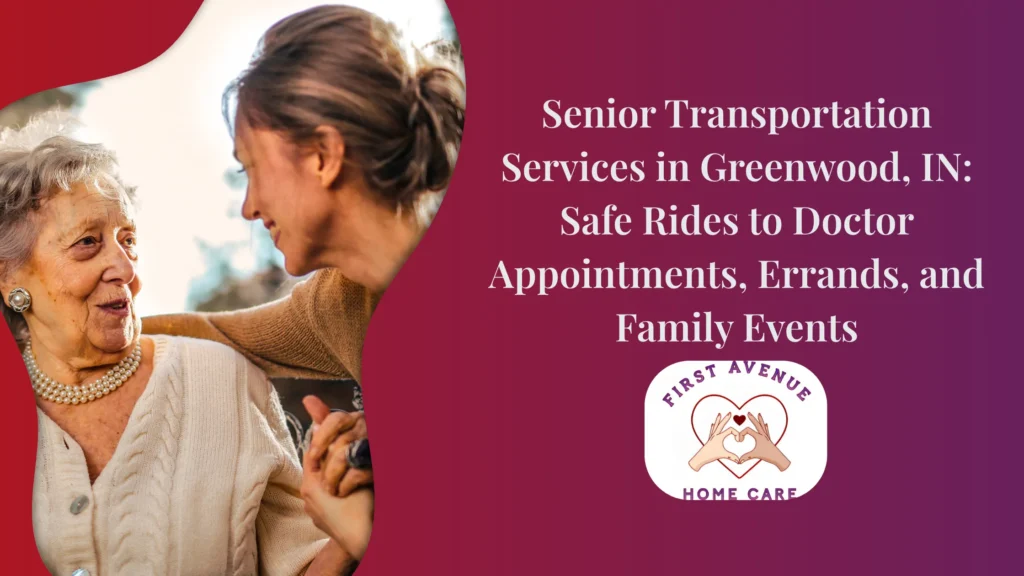
Senior Transportation Services in Greenwood, IN, help older adults travel safely to doctor appointments, pharmacies, grocery stores, family gatherings, and other important destinations. Through specialized transportation providers and home care support services, seniors can access reliable door-to-door transportation with assistance for mobility aids, shopping bags, and other daily needs. These services help older adults maintain their independence while staying connected to healthcare, essential errands, and social activities. Getting from one place to another is something many people take for granted until it becomes difficult. For older adults, a missed doctor’s appointment, delayed prescription pickup, or inability to attend a family gathering can have a significant impact on both health and quality of life. Reliable transportation helps seniors stay connected to the people, services, and activities that matter most. This guide explains how these services work, who benefits most, and how dependable transportation can support independence and everyday well-being. 1: What Are Senior Transportation Services? Senior Transportation Services help older adults travel safely to medical appointments, errands, social activities, and other important destinations. Often provided alongside Companion Care, these services support independence, improve access to healthcare, and help seniors remain active in their communities. Common types of Senior Transportation Services include: At First Avenue Home Care, our Transportation Assistance services help seniors throughout Greenwood, IN, travel with greater confidence and peace of mind. 2: Why Transportation Is Important for Older Adults Reliable transportation does more than help seniors get from one place to another. It supports independence, improves access to healthcare, and helps older adults stay connected to the people and activities that contribute to overall well-being. Many seniors throughout Greenwood, IN rely on transportation support to maintain access to healthcare and stay connected to their communities. Key benefits of Senior Transportation Services include: For additional caregiving tips, senior wellness resources, and updates from First Avenue Home Care, follow us on Facebook, Instagram, and LinkedIn. We regularly share helpful information for seniors and families throughout Greenwood, IN. 3: Who Benefits Most From Senior Transportation Services? Senior Transportation Services can help older adults remain independent, attend important appointments, and stay connected to their communities. These services are especially beneficial for: At First Avenue Home Care, our Transportation Assistance services help seniors throughout Greenwood, IN stay active, connected, and independent. 4: Common Destinations for Senior Transportation Services Senior Transportation Services help older adults safely reach important destinations while maintaining their independence and daily routines. Common destinations include: Need reliable transportation for a loved one in Greenwood, IN? Call First Avenue Home Care at (317) 273-9316 or (317) 779-2294 to learn how we can help seniors stay connected to the appointments, errands, and events that matter most. 5: What to Expect From Senior Transportation Services Senior Transportation Services are designed to help older adults travel safely, comfortably, and confidently while maintaining their independence. Families can typically expect: For seniors who need additional support beyond transportation, services such as Companion Care can provide extra assistance and social engagement during outings and appointments. 6: Stay Independent With First Avenue Home Care Maintaining independence often starts with having reliable transportation. At First Avenue Home Care, we provide Transportation Assistance that helps older adults safely attend medical appointments, run errands, visit loved ones, and stay engaged in the activities they enjoy. Whether your loved one needs occasional transportation or ongoing support, our team is here to help. Call First Avenue Home Care at (317) 273-9316 or (317) 779-2294 to discuss your family’s needs and learn how our transportation services can support safety, independence, and quality of life. We proudly serve seniors and families throughout Greenwood and Johnson County, IN, helping older adults stay connected to the healthcare services, daily activities, and personal relationships that matter most. You can also visit our Google Business Profile to see why families throughout Greenwood, IN, trust First Avenue Home Care for dependable senior support services. 7: Frequently Asked Questions Q. What are Senior Transportation Services? Senior Transportation Services provides safe and reliable transportation for older adults to medical appointments, errands, social activities, and other destinations. Q. Can transportation services help seniors get to doctor appointments? Yes. Many seniors use transportation services for medical appointments, therapy visits, follow-up care, and pharmacy trips. Q. Are transportation services available for family events and social outings? Yes. Transportation services may be used for family gatherings, community events, religious services, and other social activities. Q. Who benefits most from Senior Transportation Services? Older adults who no longer drive, have mobility limitations, live alone, or need help getting to appointments and errands often benefit from transportation support. Q. How do transportation services help seniors remain independent? Reliable transportation helps seniors maintain access to healthcare, complete everyday tasks, participate in social activities, and remain active in their community.
Homemaking Services in Greenwood, IN: What’s Included, Cost, and How They Improve Home Safety for Seniors

Keeping a home safe and organized becomes more difficult when daily tasks become physically demanding. Many families in Greenwood, IN, look for practical solutions that allow seniors to stay comfortable at home without feeling overwhelmed. Homemaking services provide that support by handling essential household tasks while maintaining independence, routine, and safety. Why a Well-Maintained Home Directly Impacts Senior Safety A cluttered or unmanaged home can quietly increase risks over time. Small issues like misplaced items or unclean spaces often lead to bigger concerns, especially for seniors living alone. Homemaking services help create a stable, clean, and safe environment that supports daily living without disruption. Reduced fall risks: Clean and organized spaces remove hazards like clutter and obstaclesImproved hygiene: Regular cleaning helps prevent illness and maintain a healthy environmentRoutine stability: Consistent upkeep creates a predictable and comfortable living space 1: What Homemaking Services Typically Include at Home Homemaking services focus on practical household tasks that keep daily life running smoothly. These tasks are tailored to fit individual routines rather than following a rigid structure. This flexibility makes services feel natural and supportive rather than intrusive. Light housekeeping: Cleaning, dusting, and organizing to maintain a tidy homeLaundry support: Washing, drying, and folding clothes to reduce physical strainMeal preparation: Cooking simple, nutritious meals aligned with daily routines Explore how daily support is structured through homemaking services, designed to match real household needs while keeping routines consistent. 2: How Homemaking Differs From Personal and Companion Care Understanding where homemaking fits among other services helps families choose the right level of support. Each service addresses different needs without unnecessarily overlapping. This clarity ensures the right balance between independence and assistance. Homemaking services: Focus on maintaining the home environment and daily household tasksCompanion care: Supports social interaction and emotional engagement without physical assistancePersonal care assistance: Provides hands-on help with hygiene and mobility needs Learn how physical support works through personal care assistance, which complements homemaking when daily tasks become more demanding. 3: Common Household Challenges Seniors Face Over Time Daily chores can gradually become difficult due to reduced strength or mobility. These changes often go unnoticed until they begin to affect safety and comfort. Recognizing these challenges early allows families to take proactive steps. Heavy tasks: Activities like vacuuming or laundry can become physically exhaustingKitchen safety: Cooking may pose risks due to heat, sharp tools, or fatigueClutter buildup: Unmanaged spaces increase the likelihood of trips and falls 4: Step-by-Step Process to Start Homemaking Services Getting started with homemaking services does not have to feel complicated. A structured approach helps families transition smoothly into ongoing support. This process ensures services align with real needs from the beginning. Initial consultation: Evaluate household needs and daily routinesTask planning: Identify specific tasks such as cleaning, cooking, or organizingScheduling services: Set a routine that fits the household’s lifestyleService integration: Combine with support like companion care for better daily engagementOngoing adjustments: Modify services as needs change over time 5: Comparing Homemaking Services With Other In-Home Care Options Choosing the right service often depends on the level of support needed beyond household tasks. Comparing options helps families avoid over- or under-supporting their loved ones. This ensures both efficiency and cost control. Basic support: Homemaking is ideal for maintaining a clean and safe homeModerate support: Companion care adds interaction and routine structureAdvanced support: Personal care addresses physical and mobility needs 6: Cost of Homemaking Services in Greenwood, IN Understanding cost helps families plan long-term care without uncertainty. In Greenwood, pricing depends on service frequency and the type of tasks included. A clear cost structure allows better budgeting and decision-making. Hourly rates: Most services are billed hourly based on the time spentFrequency of visits: More frequent visits increase the total monthly costTask complexity: Additional responsibilities may affect pricing 7: Tools and Systems That Improve Household Efficiency Simple tools and structured routines make homemaking services more effective. These additions help maintain consistency while reducing daily stress. They also make it easier for both families and caregivers to stay organized. Cleaning checklists: Ensure no task is missed and routines stay consistentMeal planning: Simplifies grocery shopping and cooking schedulesTask coordination: Aligning with transportation assistance helps manage errands efficiently 8: Mistakes Families Should Avoid When Arranging Homemaking Support Small missteps can reduce the effectiveness of homemaking services. Being aware of these helps create a smoother and more beneficial experience. Planning carefully ensures better long-term outcomes. Waiting too long: Delaying support increases safety risksOverloading tasks: Assigning too many responsibilities may reduce service qualityIgnoring routine: Inconsistent scheduling can disrupt daily structure 9: Real-Life Situations Where Homemaking Services Make a Difference Daily life often highlights the value of consistent household support. In Greenwood, families rely on homemaking services to maintain balance without added stress. These real-world situations show how services fit naturally into everyday life. Living independently: Seniors maintain their homes without physical strainFamily support gaps: Services fill in when family members are unavailablePost-recovery care: Helps maintain cleanliness and routine after medical events 10: Best Practices to Maximize Safety and Comfort at Home Improving home safety does not require major changes. Small adjustments combined with consistent support can make a noticeable difference. These practices help create a safer and more comfortable living space. Consistent schedules: Regular visits keep the home in a stable conditionClear pathways: Keeping spaces organized reduces fall risksService combination: Pairing with respite care supports caregivers while maintaining continuity 11: Homemaking Services in Greenwood, IN With Local Support Local experience plays a key role in delivering reliable services. Providers familiar with Greenwood understand the area’s household needs and lifestyle patterns. This ensures care feels practical and accessible. Explore coverage through the service areas page, where you can see how services are delivered across Greenwood and surrounding communities. You can also explore updates and insights here: First Avenue Home Care LinkedIn 12: Frequently Asked Questions About Homemaking Services Families often have important questions before choosing support. These answers provide clarity on services, costs, and when to start. What do homemaking services include for seniors? They include cleaning, laundry, meal preparation,
How Much Does Companion Care Cost in Greenwood, IN, and What’s the Difference Between Companion and Personal Care?

Choosing the right level of care at home often begins with two important questions: cost and service type. In Greenwood, IN, families frequently compare companion care and personal care to understand what fits both their needs and budget. This guide brings clarity to both, helping you make confident decisions while keeping comfort, independence, and long-term planning in mind. What Companion Care Looks Like in Everyday Life at Home A quiet home can slowly become isolating if regular interaction is lacking. Companion care focuses on keeping daily life active, social, and structured without introducing medical or hands-on physical support. It fits naturally into routines, especially for seniors who are independent but benefit from consistent presence. Social engagement: Regular conversation and interaction help maintain emotional balance and mental stimulationRoutine support: Scheduled visits create a structure that prevents long periods of inactivityErrand assistance: Help with shopping or appointments keeps seniors connected to their community 1: Breaking Down Companion Care Costs in Greenwood, IN Cost is often the deciding factor when families begin exploring in-home care. In Greenwood, pricing varies depending on how often support is needed and the level of involvement required. Understanding these factors helps avoid unexpected expenses later. Hourly care rates: Most companion care services are billed hourly, with flexibility based on schedule needsWeekly hours: Total weekly hours significantly impact the overall monthly costCare consistency: Regular scheduling may offer better value compared to irregular visits 2: What Personal Care Includes Beyond Companionship As care needs evolve, some individuals require hands-on assistance that goes beyond conversation and routine support. Personal care introduces physical assistance while still maintaining dignity and independence. This service becomes essential when daily activities become physically challenging. Hygiene assistance: Help with bathing, grooming, and personal cleanlinessMobility support: Assistance with walking, transfers, and positioningDaily living tasks: Support with dressing and toileting for safe daily functioning Explore how structured support works through personal care assistance services, which are designed to meet evolving physical needs while maintaining comfort at home. 3: Key Differences Between Companion Care and Personal Care Understanding the difference between these services helps families avoid choosing either too much or too little support. Each serves a specific purpose depending on the individual’s needs. Choosing correctly ensures both safety and cost efficiency. Level of care: Companion care focuses on presence, while personal care involves hands-on assistancePhysical support: Personal care includes direct help with daily activities, unlike companion careCare progression: Many families begin with companion care and transition as needs increase 4: Step-by-Step Process to Choose the Right Care Type Deciding between services becomes easier with a structured approach. A clear process helps families evaluate needs without feeling overwhelmed. This ensures the chosen care plan aligns with both health needs and lifestyle preferences. Initial assessment: Review daily routines, mobility, and social needsService matching: Determine whether companion or personal care fits bestCare planning: Create a schedule that supports consistencyTrial period: Start with flexible hours and adjust based on comfortOngoing review: Update services as needs evolve over time 5: Comparing Care Options Based on Lifestyle and Needs No two households in Greenwood are the same. Care decisions often depend on daily habits, family involvement, and long-term expectations. Comparing options side by side helps identify the best fit. Independent seniors: Companion care works well for those who need interaction but not physical assistanceGrowing care needs: Personal care supports individuals needing help with daily activitiesHybrid approach: Combining services allows flexibility as needs change 6: Cost Factors That Influence Home Care Pricing in Greenwood Pricing is not fixed because every care plan is different. Several variables influence how costs are structured across Greenwood and nearby areas. Knowing these factors helps families plan more effectively. Duration of care: Longer hours typically increase total cost but may reduce hourly ratesService type: Personal care often costs more due to the level of assistance involvedScheduling needs: Evening, weekend, or urgent care may impact pricing 7: Tools and Planning That Make Care More Effective A well-organized care plan ensures consistency and reduces confusion. Simple tools and structured routines make a noticeable difference in daily outcomes. This preparation supports both caregivers and families. Care schedules: Clearly defined routines help maintain consistencyFamily communication: Regular updates keep everyone informed and alignedService coordination: Combining services like companion care ensures smoother daily support 8: Mistakes Families Often Make When Choosing Care Rushed decisions can lead to mismatched services and unnecessary costs. Avoiding common mistakes helps create a more stable and effective care plan. Taking time to evaluate options leads to better long-term results. Choosing based on cost alone: Lower pricing may not meet actual care needsDelaying support: Waiting too long can increase safety risksIgnoring future needs: Care requirements often grow over time 9: Real-Life Situations Where Each Service Fits Best Daily routines reveal which type of care is most suitable. In Greenwood, families often choose based on how independent their loved one remains. These real-world situations help clarify decision-making. Living alone: Companion care provides interaction and routine stabilityPost-hospital recovery: Personal care ensures safe assistance with physical needsBusy households: Both services support families balancing work and caregiving 10: Best Practices to Balance Cost and Quality of Care Balancing affordability with quality requires thoughtful planning. Small adjustments can improve outcomes without significantly increasing cost. These practices help families get the most value from care services. Start small: Begin with limited hours and expand as neededReview regularly: Adjust care plans based on changing needsCombine services: Integrating homemaking through homemaking services improves daily efficiency 11: Companion Care Services Available in Greenwood, IN Local expertise plays an important role in delivering reliable care. Providers familiar with Greenwood and surrounding areas offer more practical and accessible support. This ensures services are aligned with local lifestyles and expectations. Explore coverage through the service areas page, where you can see how care is delivered across Greenwood and nearby communities. You can also stay connected with updates and professional insights through this resource: First Avenue Home Care LinkedIn 12: Frequently Asked Questions About Companion Care Costs and Services Families often need clear answers before
Companion Care in Greenwood, IN: Emotional Support, Social Connection, and Mental Health Benefits for Seniors

Companion Care in Greenwood, IN, is becoming an essential part of how families support seniors who wish to remain at home. Daily life may appear stable on the surface, yet long hours without meaningful interaction can quietly affect emotional balance and motivation. This guide brings clarity to how companion care supports mental wellbeing, builds social connections, and strengthens everyday routines for seniors across Greenwood, IN. What Companion Care Brings Into Everyday Senior Life A home can feel peaceful, but too much quiet can slowly reduce engagement. Companion care introduces a consistent human presence that keeps daily life active without changing familiar surroundings. This type of care focuses on interaction, routine, and comfort, helping seniors stay connected to both their home and the people around them. Social interaction: Regular conversations create mental stimulation and prevent long periods of silence that often lead to withdrawalDaily companionship: Scheduled visits add structure to the day and give seniors something consistent to look forward toErrand assistance: Support with shopping or appointments keeps seniors involved in their community instead of becoming isolatedLight homemaking help: Maintaining a clean and organized home environment supports comfort and emotional stability Families can explore structured support through companion care services where routines are built around real daily habits and preferences. Why Emotional Stability Shapes Long-Term Independence Emotional health often determines how well seniors manage their daily routines. When a connection is missing, even simple activities can start to feel overwhelming or unnecessary. Consistent companionship brings a sense of rhythm back into the day, helping seniors remain confident and engaged in their environment. Reduced isolation: Regular visits break long stretches of being alone and create meaningful interactionImproved mood patterns: Ongoing engagement helps stabilize emotions and reduce low motivationMental engagement: Conversations and shared activities keep thinking sharp and responsiveConfidence in routine: Familiar interaction builds a sense of comfort that supports independence This emotional balance naturally strengthens the ability to continue living safely at home. How Social Interaction Influences Cognitive Health Over Time As routines become quieter, the brain receives less stimulation, which can impact memory and focus. Companion care introduces consistent interaction that keeps the mind active. Simple conversations, shared activities, and routine engagement create a steady mental rhythm that supports long-term cognitive health. Memory reinforcement: Repeated conversations and daily check-ins help maintain recall and awarenessRoutine clarity: Structured visits prevent confusion caused by irregular schedulesSense of connection: Feeling socially connected improves overall mental clarityActive thinking: Interaction encourages participation instead of passive routines These small daily interactions build a stronger foundation for mental wellbeing. Subtle Changes That Signal the Need for Companion Care Shifts in behavior often appear gradually, making them easy to overlook at first. Recognizing these patterns early helps families respond before isolation affects overall wellbeing. Small signs can indicate that a senior would benefit from consistent companionship and structured interaction. Extended time alone: Spending most of the day without interaction can lead to emotional withdrawalLoss of routine: Skipping meals or daily habits shows reduced motivationLess communication: Fewer conversations with family or friends signal growing isolationReduced activity: Hobbies and interests begin to fade without encouragement Introducing support at this stage helps restore balance without major lifestyle changes. How Companion Care Services Begin and Adapt Over Time Starting care does not need to feel complicated when the process is clear and structured. Each step is designed to align with the senior’s lifestyle and evolving needs. Care plans remain flexible, allowing families to adjust support as routines change. Initial assessment: A detailed review of daily habits and emotional needs helps define the right approachCare plan setup: Services are organized based on frequency, timing, and type of interaction requiredCaregiver matching: Compatibility ensures conversations and engagement feel naturalConsistent scheduling: Regular visits create stability and predictabilityOngoing updates: Adjustments are made as needs evolve over time Additional support can be explored through personal care assistance services when physical help is needed, along with companionship. Choosing the Right Support Among Available Home Care Options Understanding the difference between services helps families choose the right level of care without confusion. Each service supports a different aspect of daily life. Selecting the right option ensures care remains effective and aligned with real needs. Companion care: Focuses on emotional support and social interaction for seniors who are physically independentPersonal care services: Provide hands-on help with hygiene and mobility when physical needs increaseRespite care services: Offer temporary relief for family caregivers while maintaining continuity of careBDDS programs: Support individuals who require structured developmental or medical assistance Families often combine services, such as respite care, to create a more flexible care plan. Cost Considerations for Companion Care in Greenwood, IN Planning for care involves understanding how pricing is structured. Costs vary depending on how often services are needed and how they are scheduled. Local factors in Greenwood, IN also influence availability and pricing flexibility. Number of care hours: More hours increase the total cost while providing consistent supportVisit frequency: Daily visits differ from occasional check-insScheduling preferences: Evening or weekend visits may vary in pricingCombined services: Adding additional care services can influence the overall cost Most families receive a tailored estimate after an initial consultation. Daily Tools and Simple Structures That Improve Care Quality Consistency in care comes from small details that shape daily routines. A well-structured approach keeps both seniors and caregivers aligned. These elements ensure care remains effective and comfortable over time. Routine planning: Clear schedules help maintain stability and reduce confusionCommunication updates: Families stay informed about visits and daily engagementActivity selection: Simple activities encourage interaction and mental involvementComfortable environment: Organized spaces support relaxed and natural interaction These small adjustments create a smoother daily experience. Common Decisions That Can Limit the Effectiveness of Care Care works best when it is introduced at the right time and managed consistently. Certain decisions can reduce their long-term impact if not addressed early. Awareness helps families create a more reliable care plan. Delaying support: Waiting too long allows isolation to deepenFocusing only on cost: Lower pricing may affect consistency and qualityIgnoring compatibility: A poor caregiver match
How to Choose the Right Personal Care Agency in Greenwood, IN — Comparing Services, Prices, and Qualifications

If you live in Greenwood and you are caring for a parent or loved one, you have probably had that moment where hospital discharge plans hit real life. The nurse talks about fall risks, bathing help, and medication routines. You look at your work schedule and think, “There is no way I can do all of this alone.” Most people start typing phrases like home care services Indiana, in-home care for seniors Indiana, and personal care assistance Indiana into a search box. What comes back is a mix of ads, directories, and agency websites that all sound similar. Choosing one Personal Care Agency in Greenwood, IN can feel like guesswork. This guide breaks the decision into simple steps. It focuses on comparing services, prices, and qualifications, and it also touches BDDS services Indiana, waiver services Indiana, and Medicaid waiver providers Indiana so you can ask stronger questions. Step 1: Get Clear On What You Really Need At Home Before you compare any personal care agency, it helps to write down what is actually happening in your house. Agencies can only give good answers if you know what you are asking for. Think in three parts: Personal care covers hands on help such as: These are the core personal care services and are usually classed as non-medical home care Indiana, not nursing. A personal care assistant or personal care aide handles this at home personal care, while home medical care services such as wound care or injections come from nurses or therapists. Household support includes things like light cleaning, laundry, and simple meal prep. Many families in Greenwood look at in home care services that combine personal care with practical tasks similar to those described in local homemaking services. Community and respite support can include social visits, short breaks for caregivers, and help getting to appointments. In practice, personal care services at home work best when they are combined with companion visits like those on a companion care page, transportation help similar to transportation assistance, and periodic breaks such as respite care. Once you have this list, you are ready to compare agencies in a more focused way. Step 2: Compare Service Menus, Not Just Slogans Most websites talk about professional home care and personalized care. The real difference shows up in the details. When you look at a Personal Care Agency in Greenwood, IN, check whether they: Read at least one detailed service description rather than only the home page. For example, a Greenwood based personal care agency may have a dedicated page on personal care assistance that lists Activities of Daily Living and explains how a personal care assistant structures visits. That kind of clarity makes it easier to decide whether they can deliver the personal care home support you need. If someone in your family has a disability and uses residential services for disabilities Indiana or BDDS waivers, also look for pages that describe residential services BDDS program or participant assistance and care. These services often overlap with personal care services at home, and it helps when one personal care agency understands both sides. Step 3: Understand Prices And How Indiana Waivers Work After services, most families worry about cost. National reports show that the median hourly price of in home care is in the low to mid thirties, and recent data lists Indiana’s typical home care rate around thirty two dollars per hour, which is close to the national middle. In real life, a Personal Care Agency in Greenwood, IN may vary from that average based on: Since personal care is usually classed as non-medical home care Indiana, Medicare alone rarely pays for long term help with bathing and dressing. That is where waiver services Indiana and Medicaid waiver providers Indiana come into the picture. Indiana uses Home and Community Based Services waivers so Medicaid can pay for services at home instead of only in nursing facilities. These waivers, including the newer PathWays for Aging program for people sixty and older, can fund personal care, homemaker help, and other supports as part of a long term care plan. When you talk with a personal care agency, ask: If an agency sidesteps every question about waivers or only focuses on private pay, it does not always mean they are wrong for you. Still, it is important to know up front whether they can work inside waiver services Indiana if that becomes part of your plan. Step 4: Look At Qualifications, Training, And Oversight Good marketing does not always mean good care. When you compare agencies, focus on how they recruit, train, and supervise the people who will come into your home. In Indiana, the Family and Social Services Administration has specific rules for Home and Community Based Services providers, including personal care and attendant care under waivers like PathWays for Aging. Agencies need to meet certification requirements and follow policies for direct caregivers. You can ask each personal care agency questions such as: Because staffing shortages are affecting disability and long term care services across the country, it is reasonable to ask what happens if a personal care assistant calls off at the last minute. Agencies that are honest about limits and backup plans tend to be easier to work with when things go wrong. Step 5: Consider Disability And BDDS Services Indiana Not every personal care agency understands BDDS services Indiana or developmental disability support Indiana. If you are supporting an adult child or sibling with a developmental disability, look for signs that an agency has experience with that system. The Bureau of Disabilities Services supports people with disabilities across Indiana through community and residential support, with an emphasis on inclusion and person centered planning. BDDS services can include residential options, day programs, and in home supports delivered under HCBS waivers. In Greenwood, some agencies combine personal care with BDDS related services such as: If your household includes both an aging parent and a person who already uses developmental disability support Indiana, choosing a personal care
What Does Personal Care Assistance Include in Greenwood, IN? ADL Support, Mobility Help, and In-Home Independence
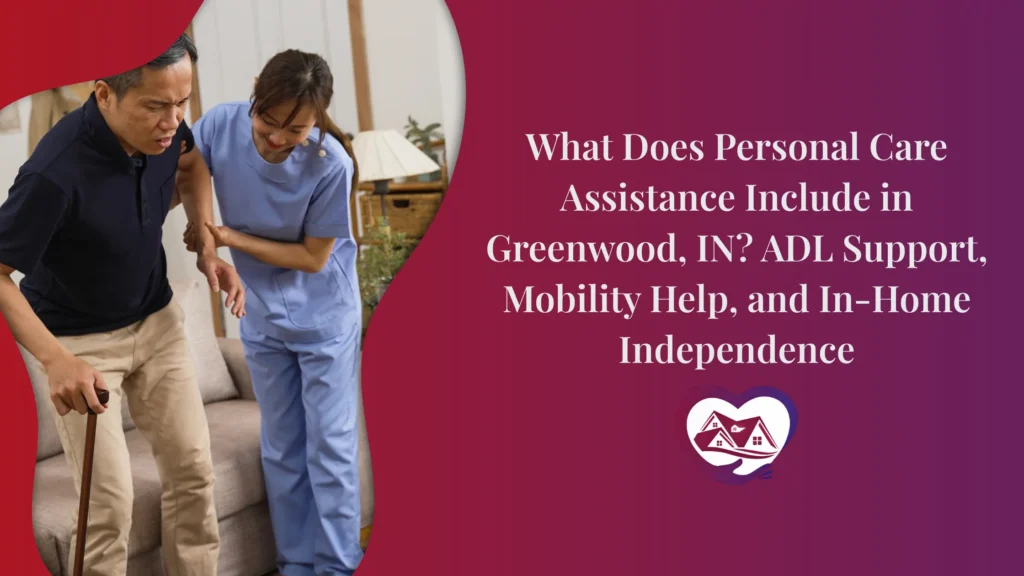
If you live in Greenwood, you probably know at least one family trying to help a parent stay at home after a hospital stay or a slow health change. Everyone wants to honor what the older adult wants, yet work schedules, stairs, and new medications make things complicated. Many relatives start searching for home care services Indiana or in-home care for seniors Indiana and quickly feel overloaded with terms they have never heard before. Personal Care Assistance in Greenwood, IN sits right in the middle of that confusion. It is one of the most important types of non-medical home care Indiana families use. It focuses on hands on help with daily tasks, not on high tech medical procedures. When it is planned well, personal care assistance Indiana can make the difference between a scary fall and a steady day at home. This guide explains what personal care services usually include, how a personal care assistant supports mobility, and how this kind of support fits with BDDS services Indiana, waiver services Indiana, and broader in home care services. What Personal Care Assistance Really Is Personal Care Assistance is a form of professional home care that focuses on daily personal care. It is sometimes called pca health care or pca healthcare in insurance or waiver paperwork. In Greenwood and across the state, it is usually delivered as personal care services at home, for a few hours at a time. A personal care assistant or personal care aide helps with what professionals call Activities of Daily Living, or ADLs. Those are the basic tasks people must do each day to stay safe and clean. For many families, a personal care agency is the bridge between what relatives can do and what still needs to get done. Personal care services often include: These are all non-medical tasks, so personal care assistance is considered non-medical home care Indiana rather than skilled nursing. Home medical care services like injections, wound care, or complex monitoring are handled by nurses or therapists, not by personal care aides. If you want a clear picture of how one Greenwood based provider structures this type of in home care services, it helps to review a detailed page such as:Personal care assistance ADL Support In Real Life On paper, ADL support sounds clinical. In real Greenwood homes, personal care services look much more everyday. Think about a common morning after a hospital discharge. Your mother needs to keep weight off one leg, put on compression stockings, and avoid slipping on a wet bathroom floor. You need to be on I 65 by 8 a.m. and cannot be there to assist with every move. A personal care assistant can: Over time, ADL support often becomes more collaborative. Some days your parent may manage most tasks with only standby help. Other days they may lean more heavily on personal care services at home. Because the same person sees them several times a week, small changes are easier to notice. This is a key part of personal health care at home that families sometimes overlook. Mobility Help And Fall Risk Mobility is a major concern in any in-home care for seniors Indiana plan. One misstep on a rug can lead to another hospital stay. Personal care Assistance in Greenwood, IN usually includes detailed mobility support. Personal care aides can: National cost of care reports show that in-home care often focuses on this blend of personal assistance and light household support, since it directly affects whether seniors can stay home rather than move into facilities. In Indiana, these services are a core piece of home care services Indiana, especially for people who want to avoid another move after rehab. When mobility issues become severe, families sometimes shift toward 24 hour home care Indiana. That might mean several personal care aides rotating through the day and night, so someone is always available if the person tries to get up suddenly or wanders at night. Personal Care And In-Home Independence Most older adults say they want to stay at home as long as they can. Indiana’s PathWays for Aging program was designed around this preference. It is a Medicaid PathWays waiver for people sixty and older that focuses on home and community based support instead of nursing home placement. Personal care assistance Indiana is one of the tools that makes this possible. By handling the hardest ADLs, a personal care assistant allows a senior to still choose what to wear, what to watch on television, and how to spend the quiet parts of the day. That is personalized care in a very practical sense. In Greenwood, personal care is often combined with: This mix turns a basic personal care home visit into a wider plan for in home care services that fits that person’s habits and personality. Where Personal Care Meets BDDS Services Indiana Some Greenwood households are supporting both aging parents and adults with disabilities under the same roof. This is where personal care assistance and BDDS services Indiana overlap. The Bureau of Developmental Disabilities Services coordinates developmental disability support Indiana under several home and community based waivers. Through these waivers, people can access: In these plans, personal care services at home are often included inside broader developmental disability support Indiana. The terminology may be different, yet the work looks similar. Staff still help with bathing, dressing, mobility, and daily structure. Because waiver services Indiana cannot usually pay twice for the same task, it is important to be specific about what is covered by BDDS services Indiana and what might be part of separate personal care assistance. Residential services for disabilities Indiana often include a built in level of personal care, while separate personal care agency visits may fill remaining gaps. Paying For Personal Care Assistance In Indiana Families often worry they will have to figure everything out alone. In reality, Medicaid waiver providers Indiana, Area Agencies on Aging, and disability case managers can help sort out funding options. Across the United States, the average cost
Personal Care Assistance in Greenwood, IN: Costs, Eligibility, and Post-Hospital Recovery Support for Seniors
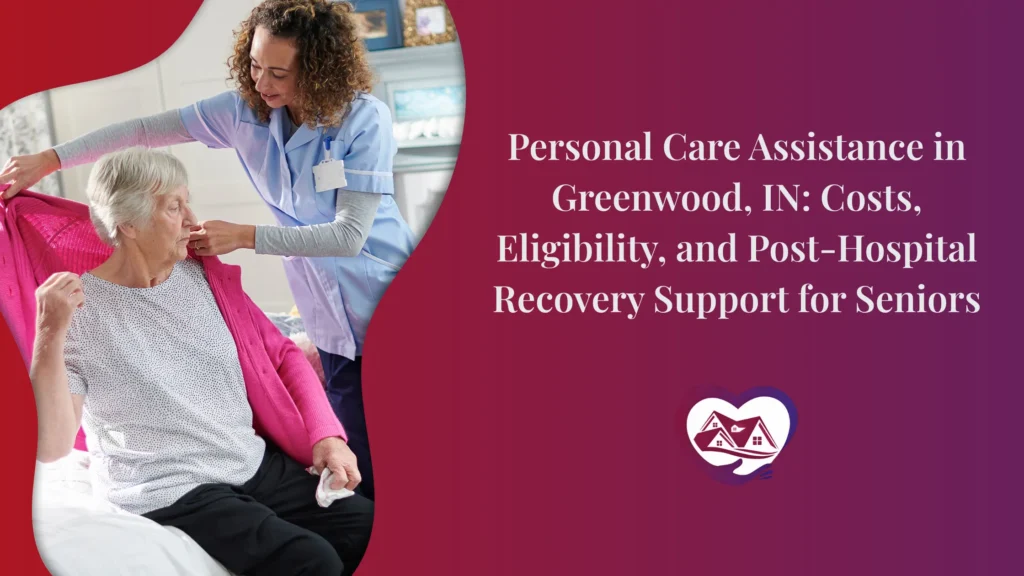
If you live in Greenwood or anywhere along US 31, you have probably watched a parent or grandparent come home from the hospital and thought, “How are we supposed to keep up with all of this?” The discharge nurse talks about exercises, fall risks, new pills, follow up appointments, and then everyone goes back to work and school. That gap between hospital plans and real life is exactly where Personal Care Assistance in Greenwood, IN (and across the state) really matters. Personal care services help with bathing, dressing, walking, toileting, and simple personal health care tasks that keep someone safe between doctor visits. They are part of home care services Indiana families use to avoid another emergency trip and to keep seniors in familiar surroundings. This guide looks at what personal care assistance actually includes, what it tends to cost in Indiana, which funding paths exist, and how it fits with post hospital recovery and BDDS services Indiana for people with developmental disabilities. It is information only, not legal or medical advice, but it is written for real caregivers in Greenwood who are juggling jobs, kids, and aging relatives at the same time. What Personal Care Assistance Looks Like Day To Day Personal care assistance is a type of non-medical home care Indiana families use when someone needs help with daily hands on tasks but does not need full time nursing. A personal care assistant or personal care aide typically supports: This kind of personal care is usually delivered as in home care services for a few hours a day or a few days a week. Some families eventually add 24 hour home care Indiana support after falls or surgery. The goal is at home personal care that keeps the person stable enough to avoid institutional care. In Greenwood, many families layer personal care services with support like companion care and homemaking services. Companion care can reduce loneliness and keep an eye on mood and memory, while homemaking covers meal prep, light cleaning, and laundry. Together these services build more personalized care than one person at home can usually manage alone. For a deeper look at how one local personal care agency structures personal care assistance and professional home care, it helps to read a detailed page such as personal care assistance. That kind of page outlines how personal care services at home are tailored around a person’s routines, rather than forcing them into a schedule that looks like a facility. Costs Of Personal Care Assistance In Greenwood And Indiana Costs are usually the first worry. According to recent data, the statewide average cost of home health care and home care in Indiana is about 25 dollars per hour, which works out to roughly 4,767 dollars per month based on 44 hours of support per week. That figure includes both hands on personal care and some home medical care services provided by licensed clinicians. In reality, personal care assistance Indiana pricing depends on: Greenwood sits in the broader Indianapolis market, where hourly rates for in-home care tend to hover around the state average. Families often start with a few hours three days a week, then increase or decrease as recovery and budgets change. Because personal care assistance is considered non-medical home care Indiana rules do not always treat it the same way as skilled nursing or therapy. Medicare typically focuses on short term skilled home health after a hospital stay, not long term personal care services. That means most ongoing personal care services at home are paid through: The last option is where waiver services Indiana become important. Eligibility And Medicaid Waiver Paths For Personal Care Indiana’s Medicaid waiver providers Indiana network delivers many home and community based services for seniors and people with disabilities. Historically, the Aged and Disabled Waiver covered personal care and related supports at home. In 2024 that structure changed, splitting into new waivers such as the Health and Wellness waiver for adults under 60 and the PathWays for Aging waiver for people 60 and older. These waivers are part of Medicaid home care services Indiana families use when somebody: Under these programs, personal care assistance can be funded as one of several in home care services, alongside homemaker help, respite, and sometimes home medical care services like nursing. The exact mix depends on the person’s level of need, age, and which waiver they qualify for. For adults with developmental disabilities, BDDS services Indiana make a separate but related system. The Bureau of Developmental Disabilities Services coordinates Medicaid waiver programs such as the Family Supports Waiver and Community Integration and Habilitation Waiver. Through these waivers, people can access: These BDDS services provide developmental disability support Indiana residents use at home and in the community. Personal care assistance often overlaps with PAC and residential supports, so families must be clear about how pca health care or pca healthcare time is coded in the plan. Because the rules shift, it is wise to speak with a case manager, Area Agency on Aging, BDDS service coordinator, or local Medicaid waiver providers Indiana to confirm current eligibility and funding options. How Personal Care Assistance Supports Post Hospital Recovery Across the country, hospitals and insurers are new focused on reducing readmissions after discharge. Research shows home health and other post acute care can influence readmission rates and overall costs. In Indiana, most seniors discharged home after surgery or illness receive a mix of short term skilled home health, personal health care support, and informal family caregiving. In Greenwood, post hospital personal care assistance might include: When personal care assistance is combined with transportation assistance, seniors are much more likely to get to follow up appointments on County Line Road or near Franciscan Health without relying on exhausted family drivers. That kind of transportation assistance supports in-home care for seniors Indiana wide, not only in Greenwood. Personal care services also reduce the risk that a senior will try to “tough it out” and skip bathing or toileting help, which can lead